

Why your tax refund could have company
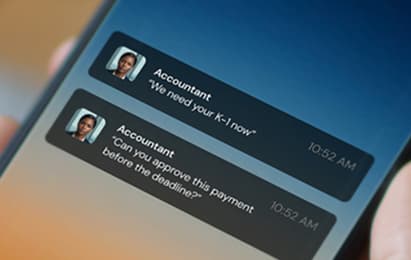
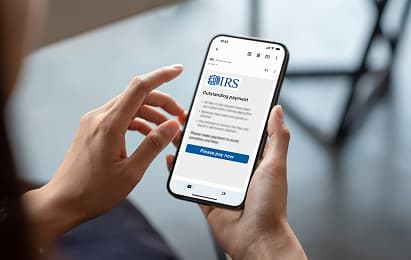
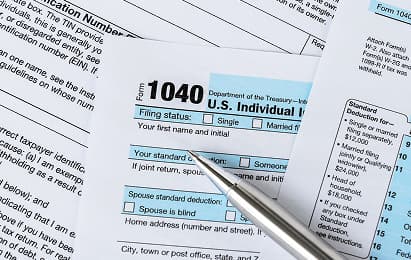
Tax season is more than a calendar event. It's a predictable cycle that criminals exploit knowing you are expecting tax emails, documents, and payment requests, which lowers skepticism and leads to mistakes. They plan for this time of year and fine tune their methods to strike with alarming accuracy.
The Internal Revenue Service flagged 2.1 million tax returns as potential identity theft last filing season. This paused processing and required additional identity checks before refunds could go out. Many victims faced long delays of up to two years just to resolve the issue and claim their refunds.
For high-net-worth individuals, the risk is amplified. Your financial footprint is broader, your personal information is easier to piece together, and your professional and family networks create multiple points of access. Public records, prior data breaches, and online profiles allow criminals to craft messages that feel familiar and credible, and can put far more than a tax refund at risk. It opens the door to identity theft, financial fraud, and long-term misuse of your personal data.
This guide explains how these attacks work, what cybercriminals are really trying to accomplish, and how to reduce your exposure with clear, practical steps. A small amount of preparation now can prevent months or years of financial and reputational fallout later.
Discover the most common tax security risks




Top 3 tips for your tax-season security routine

1. Use a trusted communications path.
Decide now how you will verify anything tax-related. For example, you only use your accountant's known number from your contacts, and you only use the IRS website you type in yourself.
2. Slow the money down.
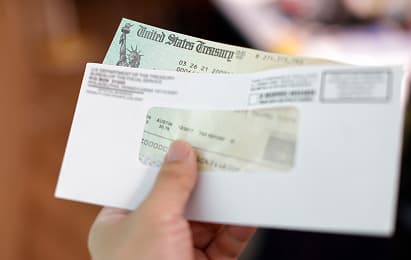
No wire, ACH, gift card, crypto, or check exchanges without a second-person confirmation and a call-back on a known number.
3. Lock your online accounts.
Turn on multifactor authentication sign-in for email and financial accounts, use a password manager, and update phones and computers before tax documents start moving.